Keep Aphids Away With These Companion Plants
Keep Aphids Away with These Companion Plants
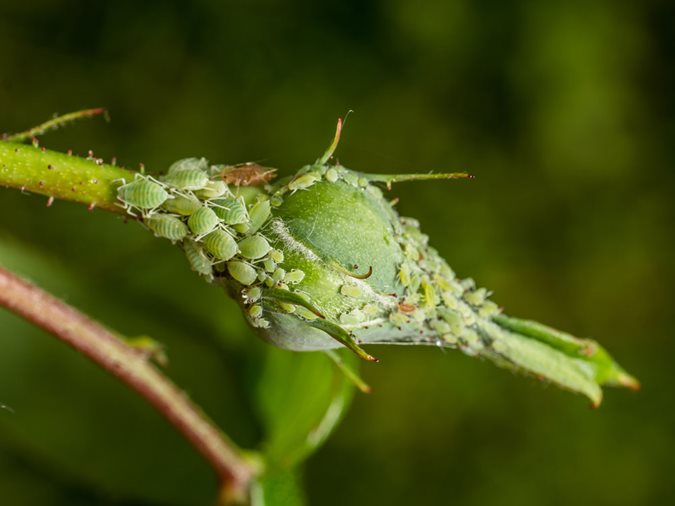
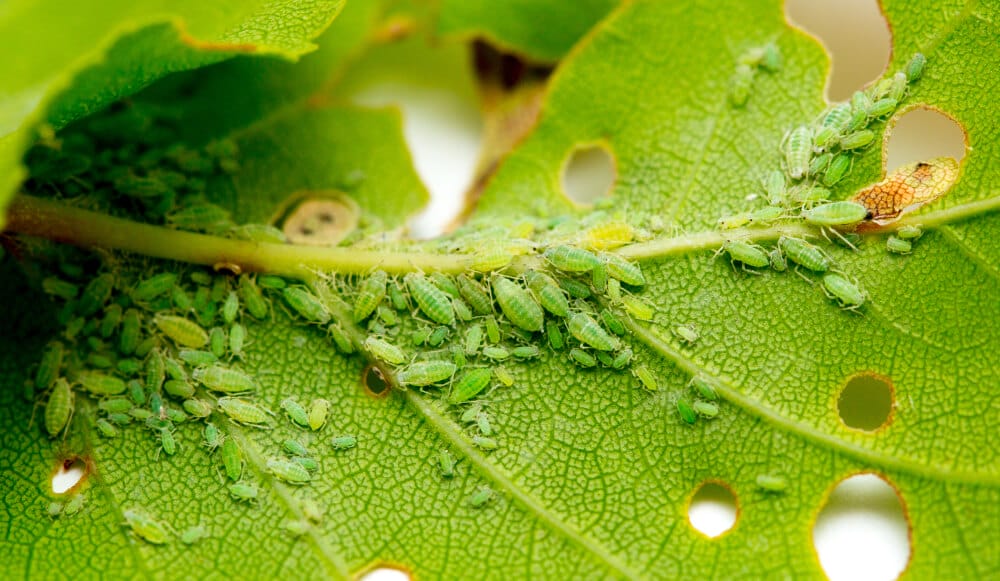
Aphids are small, soft-bodied insects that can be a major nuisance in gardens. They feed on the sap of plants, which can weaken or even kill them. Aphids can also transmit plant diseases.
There are a number of ways to control aphids, including using insecticidal soap, neem oil, or horticultural oil. However, these methods can be harmful to beneficial insects, and they may not be effective against a heavy infestation.
A more natural way to control aphids is to use companion planting. Companion planting is the practice of planting certain types of plants together in order to benefit each other. Some plants have natural insecticidal properties that can help to repel aphids. Other plants attract beneficial insects that prey on aphids.
Here are some of the best companion plants for keeping aphids away:
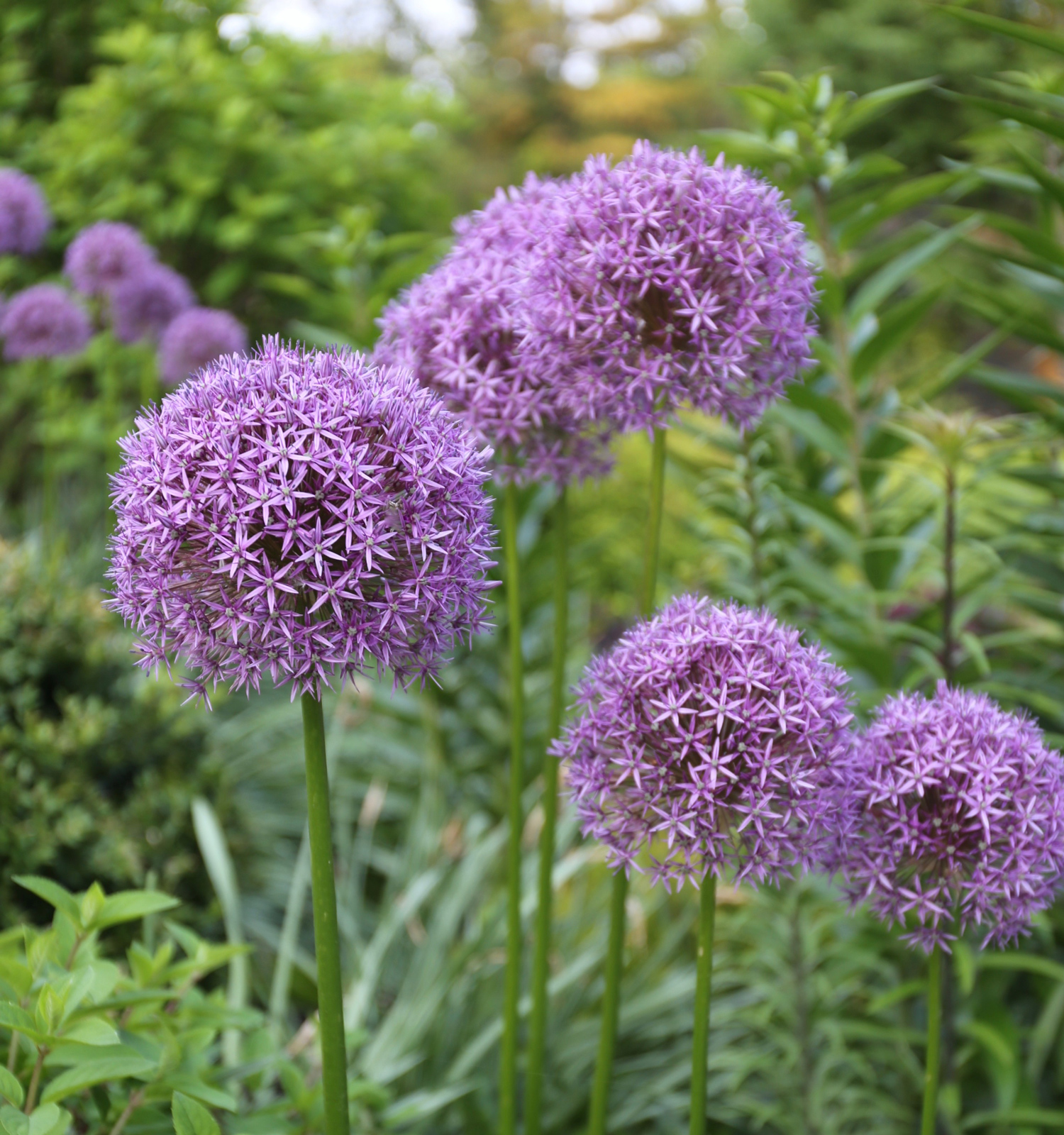
- Alliums: Alliums, such as garlic, onions, chives, and leeks, have a strong scent that aphids find unpleasant. They also contain compounds that can be toxic to aphids.
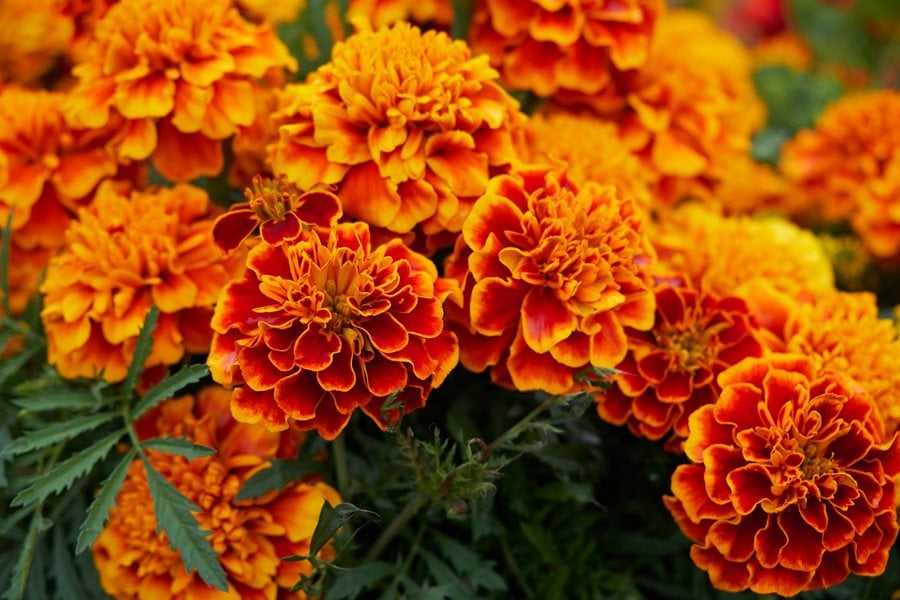
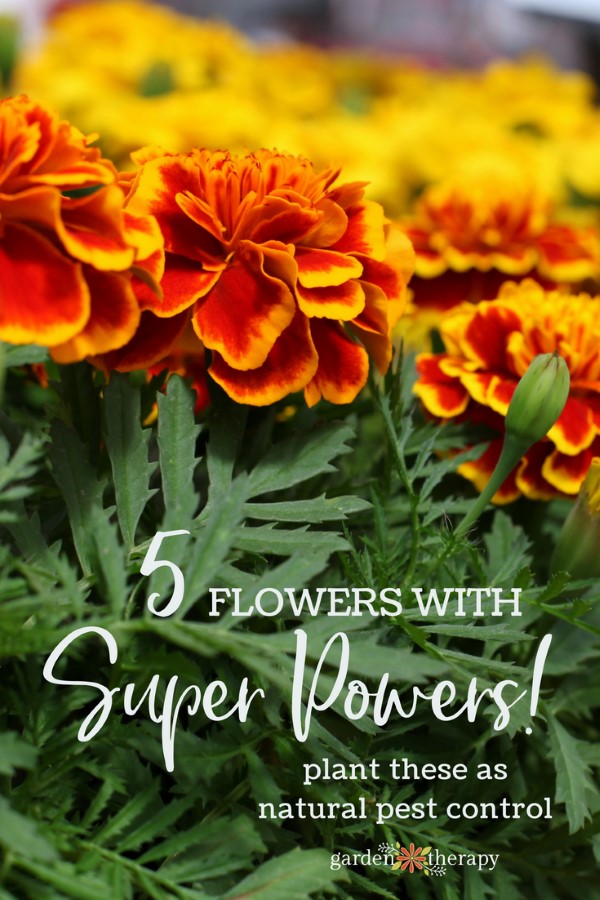
- Marigolds: Marigolds are another great choice for companion planting. They release a scent that repels aphids, and they also attract ladybugs, lacewings, and other beneficial insects that prey on aphids.
- Nasturtiums: Nasturtiums are another flowering plant that can help to deter aphids. They have a strong scent that aphids find unpleasant, and they also attract ladybugs and other beneficial insects.

- Catnip: Catnip is a familiar herb that is also effective at repelling aphids. The strong scent of catnip can irritate aphids, and it also attracts ladybugs and other beneficial insects.
- Basil: Basil is another popular herb that has insecticidal properties. The strong scent of basil can repel aphids, and it also contains compounds that can be toxic to them.
- Fennel: Fennel is a tall, feathery herb that is also effective at repelling aphids. The strong scent of fennel can irritate aphids, and it also attracts ladybugs and other beneficial insects.
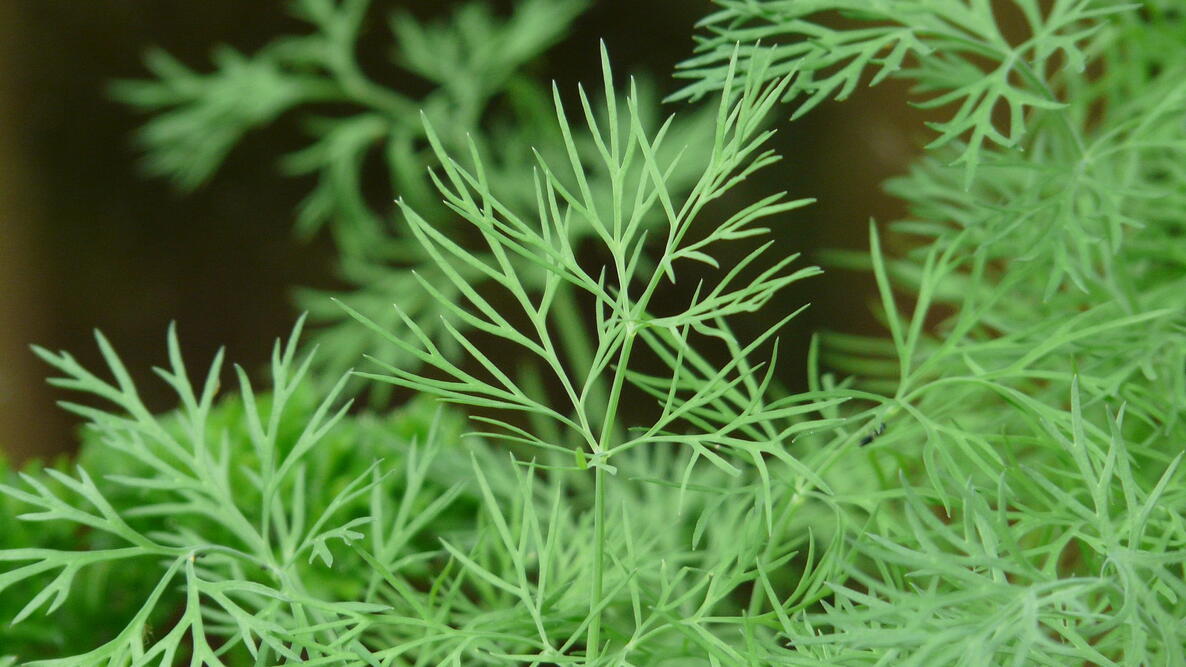
- Dill: Dill is a common herb that is also a good companion plant for deterring aphids. The strong scent of dill can repel aphids, and it also attracts ladybugs and other beneficial insects.
- Cilantro: Cilantro is a member of the parsley family, and it has similar insecticidal properties. The strong scent of cilantro can repel aphids, and it also attracts ladybugs and other beneficial insects.
In addition to these plants, there are a number of other herbs and flowers that can help to deter aphids. Some other good choices include rosemary, mint, lavender, thyme, yarrow, and sunflowers.
When planting companion plants for aphid control, it is important to choose plants that will complement each other. For example, marigolds and nasturtiums are both good companion plants for tomatoes, as they help to deter aphids and other pests.
It is also important to plant companion plants in close proximity to each other. This will help to maximize the benefits of companion planting.
By planting companion plants, you can help to keep your garden free of aphids and other pests. This will help to protect your plants and ensure a bountiful harvest.
Aphids are small, sap-sucking insects that can be a major nuisance in gardens. They can quickly infest plants and cause them to wilt and die. However, there are a number of companion plants that can help to deter aphids.
Some of the most effective companion plants for deterring aphids include:
- Marigolds: Marigolds have a strong scent that aphids find repulsive. They can also attract beneficial insects, such as ladybugs, that prey on aphids.
- Basil: Basil has a strong, pungent scent that aphids dislike. It is also a good companion plant for tomatoes, peppers, and eggplants.
- Chives: Chives have a strong, oniony scent that aphids find repulsive. They are also a good companion plant for roses, strawberries, and beans.
- Garlic: Garlic has a strong, garlicky scent that aphids find repulsive. It is also a good companion plant for broccoli, cabbage, and cauliflower.
- Catnip: Catnip has a strong, minty scent that aphids find repulsive. It is also a good companion plant for tomatoes, peppers, and eggplants.
If you are looking for a natural way to deter aphids from your garden, planting companion plants is a great option. These plants can help to keep your garden healthy and pest-free.
FAQ of companion plants to deter aphids
Question 1: What are companion plants?
Answer: Companion plants are plants that are grown together in order to benefit each other. Some companion plants can help to deter pests, such as aphids.
Question 2: What are some companion plants that deter aphids?
Answer: Some of the most effective companion plants for deterring aphids include:
- Alliums: These plants, such as garlic, onions, and chives, have a strong scent that aphids find unpleasant.
- Marigolds: Marigolds release a scent that repels aphids, as well as other pests such as spider mites and whiteflies.
- Catnip: Catnip has a strong scent that aphids find repulsive. It also attracts beneficial insects, such as ladybugs, which prey on aphids.
- Fennel: Fennel has a strong scent that aphids find unpleasant. It also attracts beneficial insects, such as hoverflies, which prey on aphids.
- Dill: Dill has a strong scent that aphids find unpleasant. It also attracts beneficial insects, such as lacewings, which prey on aphids.
Question 3: How do I plant companion plants to deter aphids?
Answer: When planting companion plants to deter aphids, it is important to plant them near the plants that you want to protect. For example, you could plant marigolds around your tomatoes or cucumbers. You can also plant companion plants in between rows of vegetables.
Question 4: How often do I need to replant companion plants to deter aphids?
Answer: The frequency with which you need to replant companion plants to deter aphids will depend on the type of plant and the severity of the aphid infestation. However, in general, you should replant companion plants every year or two.
Question 5: Are there any other ways to deter aphids?
Answer: In addition to planting companion plants, there are a number of other ways to deter aphids, such as:
- Hand-picking: Aphids can be easily hand-picked and crushed.
- Spraying with water: A strong stream of water can knock aphids off of plants.
- Using insecticidal soap: Insecticidal soap is a natural and effective way to kill aphids.
- Using neem oil: Neem oil is a natural insecticide that can help to control aphid populations.
Image of companion plants to deter aphids
5 different images of companion plants to deter aphids from Pinterest:
- Nasturtium: This bright and cheerful flower is a favorite of many gardeners, and it's also a great way to deter aphids. Aphids don't like the smell of nasturtiums, so they'll avoid plants that are nearby.

- Chamomile: Chamomile is another flower that aphids don't like. It has a strong scent that can repel pests, and it also helps to attract beneficial insects that prey on aphids.

- Yarrow: Yarrow is a hardy perennial that can grow in a variety of conditions. It's also a good companion plant for deterring aphids. The strong scent of yarrow can repel pests, and it also helps to attract beneficial insects.
- Marigold: Marigolds are another popular choice for companion planting. They have a strong scent that can repel pests, and they also help to attract beneficial insects.
- Lavender: Lavender is a beautiful and fragrant herb that can also help to deter aphids. The strong scent of lavender can repel pests, and it also helps to attract beneficial insects.

Post a Comment for "Keep Aphids Away With These Companion Plants"